A Complete Guide to Madmaheshwar Temple in Uttarakhand
Tucked deep within the Garhwal Himalayas, the Madmaheshwar Temple is one of the most spiritually significant and scenically breathtaking shrines in India. Revered as the second of the Panch Kedar — five sacred abodes of Lord Shiva — Madmaheshwar draws pilgrims, trekkers, and nature lovers from across the world every year. Unlike many popular Himalayan destinations, the Madmaheshwar trek offers a rare combination of alpine wilderness, dense oak and rhododendron forests, high-altitude meadows (bugyals), and panoramic views of some of the tallest peaks in the world.
This comprehensive guide covers everything you need to know before embarking on the Madmaheshwar Temple trek in 2026 — from mythology and location to route details, best time to visit, trek difficulty, itinerary, accommodation, and essential travel tips.
Mythology & History
The Spiritual Story Behind Madmaheshwar – One of the Panch Kedar
The legend of Madmaheshwar is deeply woven into the fabric of the Mahabharata. After the Kurukshetra war, the Pandavas sought Lord Shiva’s blessings to atone for the sin of killing their own kin. Shiva, wishing to avoid them, disguised himself as a bull and hid in the Garhwal Himalayas. The Pandavas eventually found him, but Shiva vanished into the earth, leaving different body parts at different locations — forming the Panch Kedar.
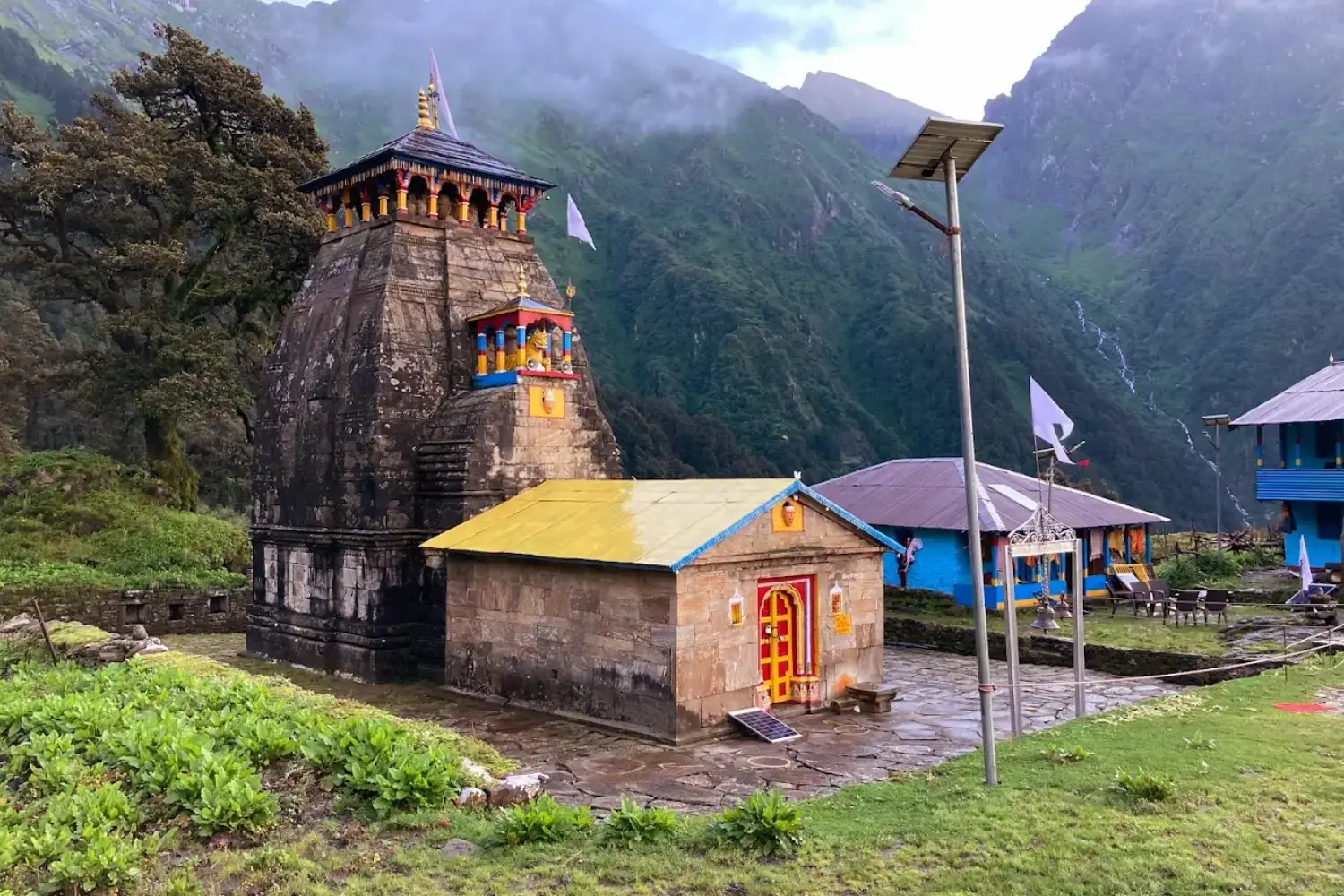
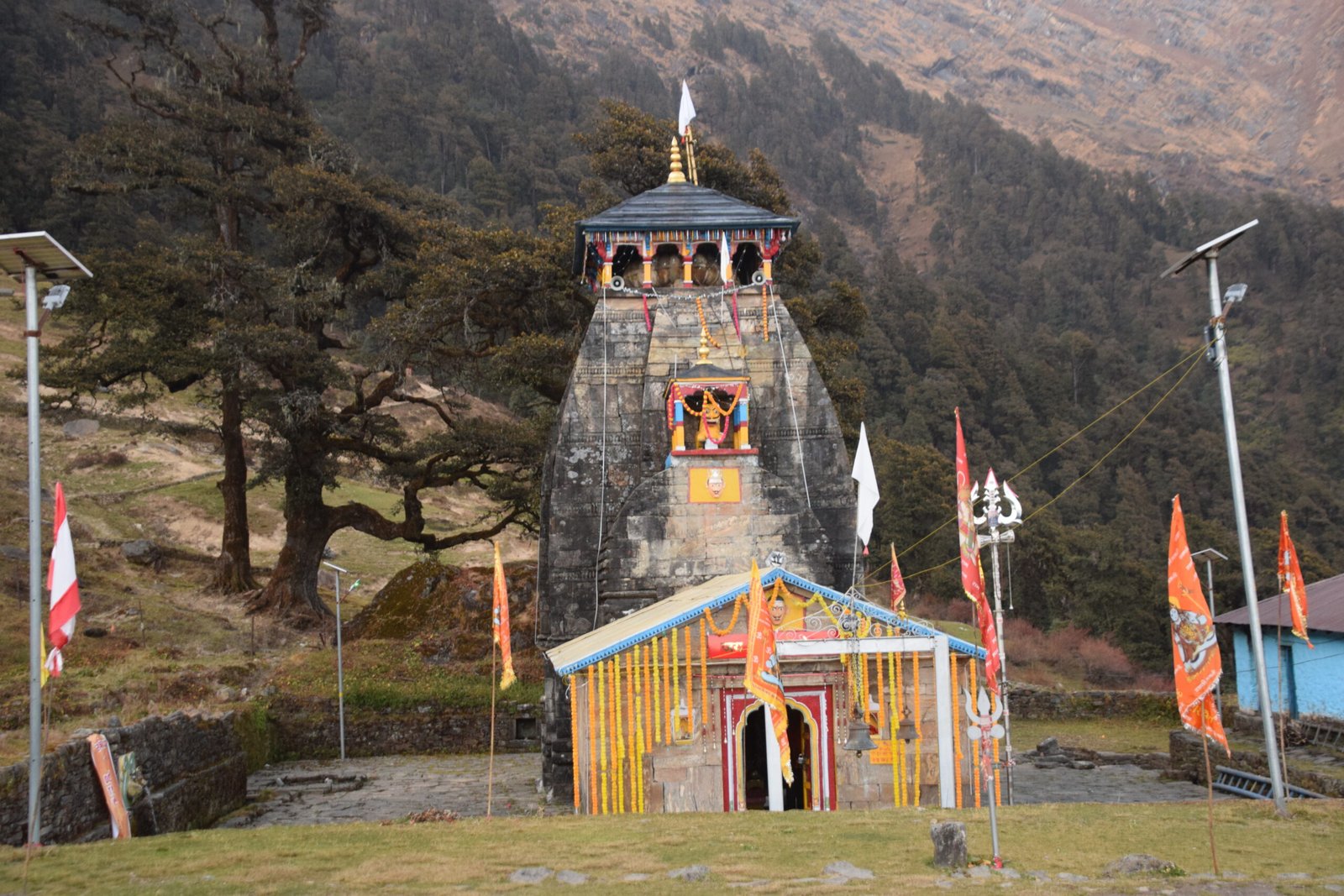
At Madmaheshwar, Lord Shiva’s navel (nabhi) and stomach are believed to have appeared. The word “Madmaheshwar” itself is derived from “Madhyamaheshwar,” meaning the middle lord — symbolising the navel. The temple, built in the North Indian Nagara architectural style, enshrines a natural Shivalinga and has been a place of worship for thousands of years. The Madmaheshwar Temple is managed by the Devasthanam Board of Uttarakhand, ensuring that its religious sanctity and heritage are preserved.
“To visit Madmaheshwar is not just a trek — it is a journey through time, faith, and the raw magnificence of the Himalayan landscape.”
Location & Altitude
Where is Madmaheshwar Located? Altitude and Importance
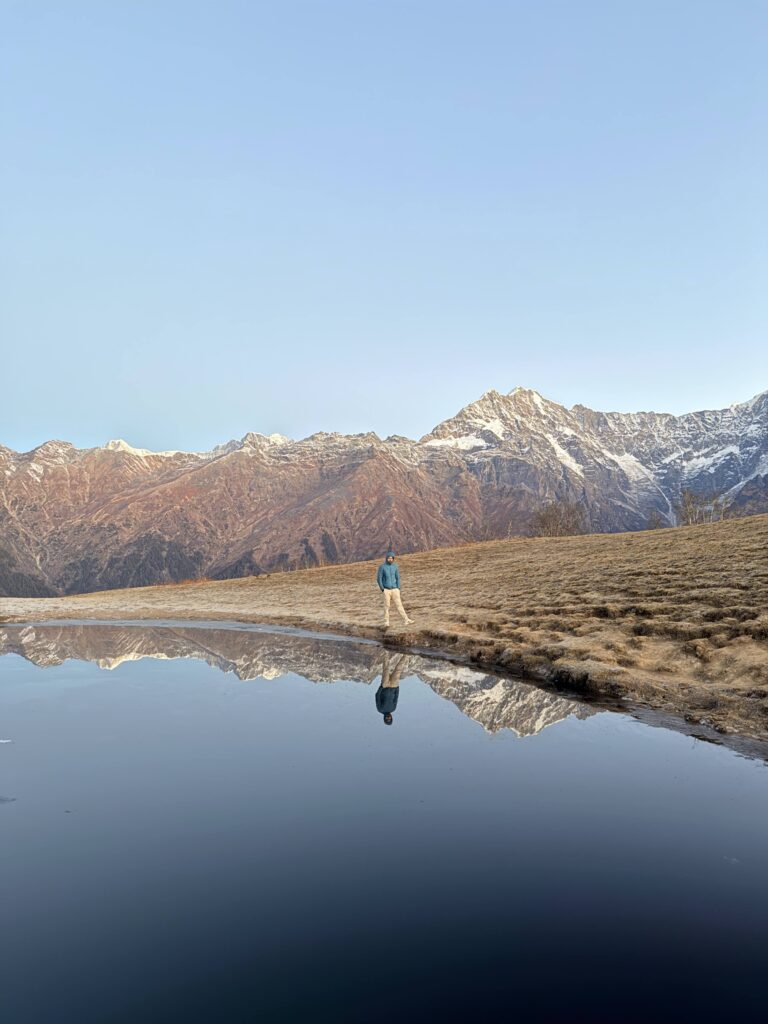
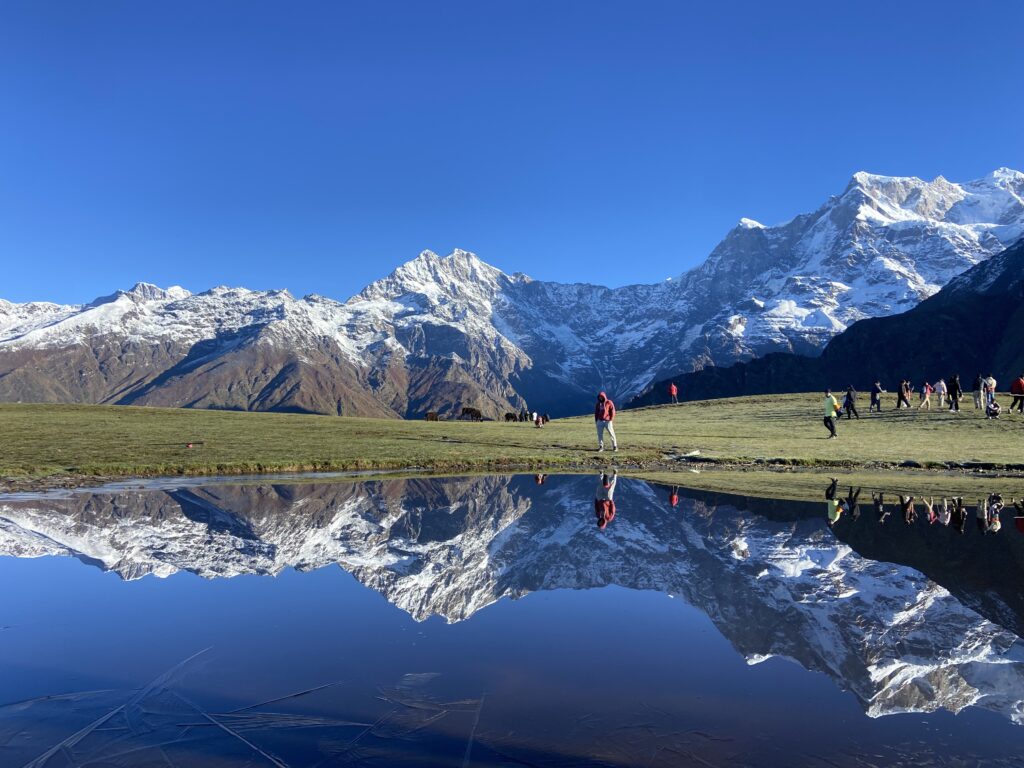
The Madmaheshwar Temple is located in the Rudraprayag district of Uttarakhand, India, at an altitude of approximately 3,497 metres (11,473 feet) above sea level. The temple sits on the edge of lush alpine meadows, with the majestic Chaukhamba, Kedarnath, Neelkanth, and Bandarpunch peaks forming a stunning backdrop.
The nearest village is Ransi, which serves as the base camp for the Madmaheshwar trek. Ransi is approximately 250 km from Rishikesh and can be reached by road via Ukhimath. The temple remains surrounded by the Kedarnath Wildlife Sanctuary, which makes the trek an exceptional wildlife and nature experience alongside its spiritual significance.
How to Reach
Travel Route from Haridwar, Rishikesh, and Delhi
| Starting Point | Route | Distance | Travel Time |
|---|---|---|---|
| Delhi | Delhi → Haridwar → Rishikesh → Rudraprayag → Ukhimath → Ransi | ~480 km | 12–14 hrs |
| Haridwar | Haridwar → Devprayag → Rudraprayag → Ukhimath → Ransi | ~230 km | 7–8 hrs |
| Rishikesh | Rishikesh → Rudraprayag → Ukhimath → Ransi | ~210 km | 6–7 hrs |
| Dehradun | Dehradun → Rishikesh → Rudraprayag → Ukhimath → Ransi | ~250 km | 7–8 hrs |
The nearest railway station is Rishikesh, and the nearest airport is the Jolly Grant Airport in Dehradun. From Rishikesh, you can hire a taxi or take a shared jeep to Ukhimath, and then proceed to Ransi village. There is no public bus directly to Ransi, so private vehicles or taxis are the preferred mode for the final stretch.
Trek Route
Ransi to Madmaheshwar Trek Route Explained
The Madmaheshwar trek begins at Ransi village (1,800 m) and covers approximately 24 kilometres one way, passing through dense forests, open meadows, and rocky ridgelines. The total trekking distance for a round trip is around 48 km, typically completed in 2–3 days depending on your fitness level and acclimatisation.
Key Waypoints on the Madmaheshwar Trek Route
- Ransi (1,800 m) – Trek starting point, base village with guesthouses and basic facilities
- Bantoli (2,100 m) – First major stop, about 3 km from Ransi through forest trails
- Nala Camp / Gaundhar (2,600 m) – Midway campsite near a stream, popular overnight halt
- Nandvan / Kharkota (3,100 m) – Beautiful meadow zone, stunning mountain views emerge
- Madmaheshwar Temple (3,497 m) – Final destination with the sacred temple and surrounding bugyal
The trail ascends steadily through diverse vegetation zones, from subtropical forest to alpine meadows (bugyals), making the Madmaheshwar trek route a visually rewarding experience at every stage.

Season Guide
Best Time to Visit Madmaheshwar Temple
The Madmaheshwar Temple is open to pilgrims and trekkers generally from May to November, though the ideal season depends on what experience you are looking for.
| Season | Months | Conditions | Recommended? |
|---|---|---|---|
| Summer | May – June | Clear skies, blooming rhododendrons, ideal temperatures (10–20°C) | ✅ Best Time |
| Monsoon | July – August | Heavy rainfall, slippery trails, risk of landslides | ⚠️ Avoid |
| Post-Monsoon | September – October | Clear weather, vibrant green meadows, great visibility | ✅ Excellent |
| Winter | November–April | Temple closed, heavy snowfall, trails inaccessible | ❌ Closed |
The best time to visit Madmaheshwar is undoubtedly May–June, when the bugyals are carpeted with wildflowers and the weather is most forgiving. September–October is the second-best window, offering crystal-clear post-monsoon skies and outstanding views of the Chaukhamba peaks.
Trek Difficulty
Is the Madmaheshwar Trek Easy or Difficult?
The Madmaheshwar trek difficulty is rated Moderate. While the trail does not involve any technical climbing or glacier crossings, the continuous ascent over two days, the altitude gain, and the uneven terrain can be challenging for first-time trekkers.
Trekkers with basic fitness who have some prior experience with hill walking will find the Madmaheshwar trek manageable and immensely rewarding. The key challenges are the sustained elevation gain (from 1,800 m to 3,497 m), the rocky terrain near Nandvan, and potential altitude-related symptoms above 3,000 m. Carrying trekking poles and staying well-hydrated significantly eases the experience.
Fitness tip: Begin a 3-week walking regimen before your trek — at least 45 minutes of brisk walking or stair climbing daily. This simple preparation makes the Madmaheshwar trek significantly more comfortable.
Budha Madmaheshwar – The Hidden Gem Above the Temple
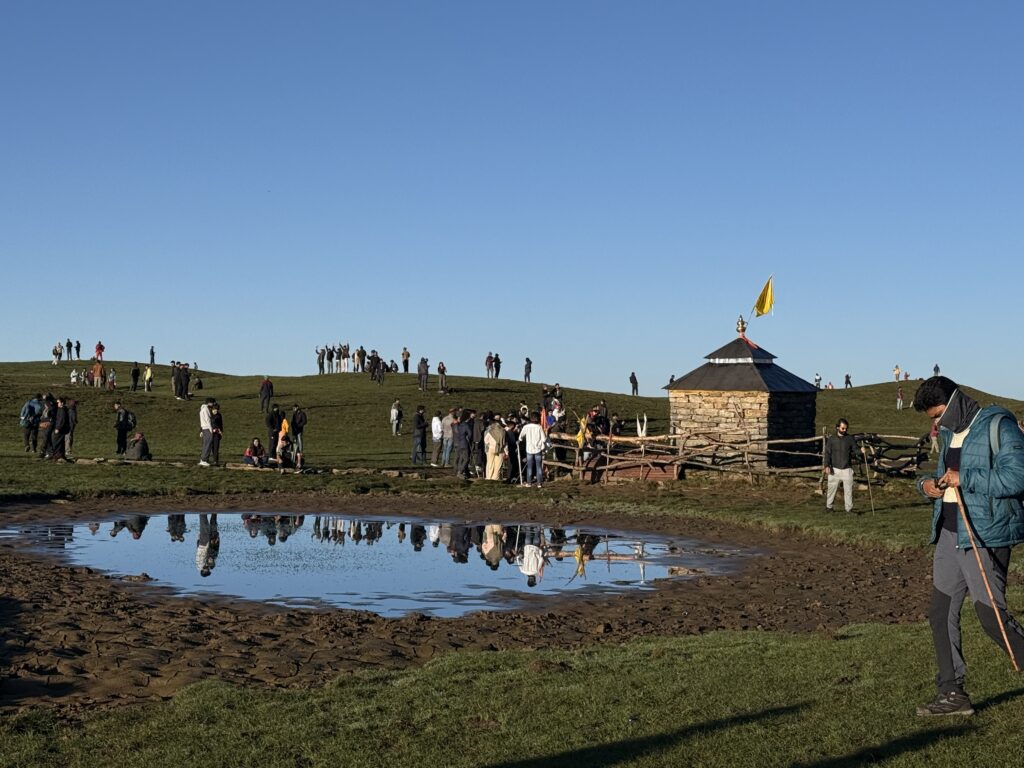
One of the most underrated highlights of any Madmaheshwar trek is the side trail to Budha Madmaheshwar, located at an altitude above 4,000 metres. “Budha” means old or ancient, and this ancient shrine sits on a high ridge offering what many seasoned Himalayan trekkers describe as one of the finest panoramic views in all of Uttarakhand.
From Budha Madmaheshwar, on a clear morning, you can see the entire Kedarnath–Chaukhamba massif, Neelkanth, Trishul, and Bandarpunch peaks all at once. The sunrise from this vantage point turns the snow-clad peaks a blazing orange-gold — a moment of extraordinary natural beauty. The trail to Budha Madmaheshwar from the main temple takes about 2–3 hours and involves steeper, unmarked terrain, so a local guide is strongly recommended.
Facilities
Accommodation and Food Facilities in Madmaheshwar
Facilities along the Madmaheshwar trek route are basic but sufficient for most pilgrims and trekkers. Here’s what you can expect:
- Ransi: Several small guesthouses and homestays offering rooms with basic amenities. This is the best-equipped halt on the route.
- Gaundhar / Nala Camp: Temporary tea stalls and makeshift lodges during the open season. Camping with your own tent is also popular here.
- Madmaheshwar Temple: GMVN guesthouses and dharamshalas are available near the temple. Booking is advisable during the May–June peak season.
- Food: Simple vegetarian meals — dal, rice, roti, and tea — are available at most halts. No non-vegetarian food is served in this sacred zone. Carry energy bars, dry fruits, and snacks for the trail.
Expert Advice
Travel Tips for Madmaheshwar Trek
- Register at the Ransi forest check post before beginning the Madmaheshwar trek — it is mandatory for all trekkers.
- Carry sufficient warm clothing, a quality rain jacket, and a sleeping bag rated to at least -5°C, as temperatures drop sharply at night near the temple.
- Hire a local guide from Ransi for the best experience — they know the trail, weather patterns, and can assist during emergencies.
- Stay well-hydrated but avoid drinking from unknown streams without purification. Carry a water purifier or iodine tablets.
- Photography is a highlight of the trek — carry extra batteries as cold temperatures drain them quickly.
- Mobile network is available in Ransi (Jio/BSNL), but disappears beyond Gaundhar. Inform someone of your trek plan before departing.
- Respect the sanctity of the Madmaheshwar Temple — dress modestly and follow all religious protocols at the shrine.
- Acclimatise properly. If you feel symptoms of altitude sickness (headache, nausea, dizziness) at or above 3,000 m, descend immediately.
Madmaheshwar Tour Package – Complete Travel Experience
Looking for a hassle-free Madmaheshwar tour package? Most reputable Uttarakhand tour operators offer all-inclusive packages that typically cover:
Hotel + Camping Accommodation, Transport from Haridwar/RishikeshExperienced Local GuideAll Vegetarian MealsTrek PermitsFirst Aid Kit
A standard 5-night/6-day Madmaheshwar package from Haridwar typically costs between ₹8,000–₹18,000 per person, depending on the operator, group size, and level of accommodation. Always verify that your tour operator is registered and that the package includes a certified mountain guide.
FAQs About Madmaheshwar Temple and Trek
Q1. When does the Madmaheshwar Temple open in 2026?
The Madmaheshwar Temple typically opens on an auspicious date in May, following the Akshaya Tritiya festival, and closes around November (Diwali period). Exact 2026 dates will be announced by the Kedarnath Devasthanam Board closer to the season.
Q2. Is the Madmaheshwar trek suitable for beginners?
Yes, with moderate fitness preparation. The Madmaheshwar trek is rated moderate and does not require prior trekking experience, but regular aerobic exercise for at least 3–4 weeks before the trek is strongly advised.
Q3. How far is Madmaheshwar from Kedarnath?
Madmaheshwar and Kedarnath are approximately 24 km apart by air, but there is no direct trail between them. Road connectivity routes them through Ukhimath/Rudraprayag, significantly lengthening the driving distance.
Q4. Can I do the Madmaheshwar trek solo?
While experienced trekkers do trek solo, it is highly recommended to hire a local guide from Ransi, especially for sections beyond Gaundhar and for the Budha Madmaheshwar side trail, where the path is unmarked.
Q5. What is the altitude of Madmaheshwar Temple?
The Madmaheshwar Temple altitude is approximately 3,497 metres (11,473 feet) above sea level. Budha Madmaheshwar is even higher, at over 4,000 metres.
Q6. Are there ATMs or medical facilities on the Madmaheshwar trek route?
No ATMs exist beyond Ukhimath. Carry sufficient cash for the entire trek. Basic first aid is available at the GMVN guesthouse near the temple, but for any medical emergency, descent to Ukhimath is necessary. Comprehensive medical facilities are available in Rudraprayag town.