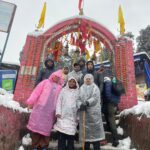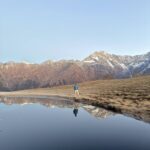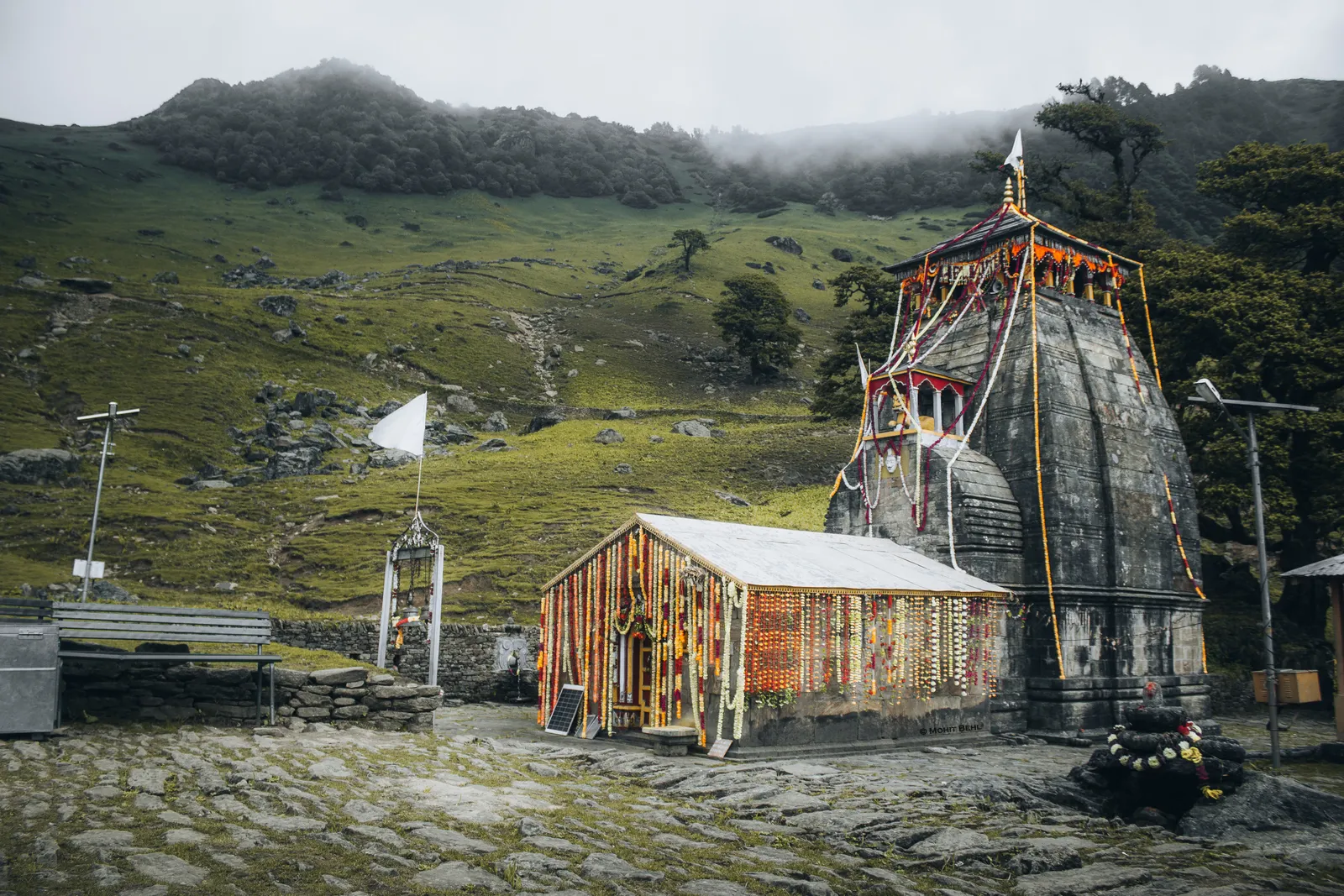
Planning a Madmaheshwar yatra or Madmaheshwar trek? This complete guide covers everything — from the Madhyamaheshwar temple history and Panch Kedar Madhyamaheshwar route to the best time to visit Madmaheshwar, how to reach Madhyamaheshwar, accommodation, and travel tips. Read on and plan your perfect Himalayan pilgrimage.
1. Introduction to Madmaheshwar Temple
Nestled at an altitude of approximately 3,497 metres (11,473 feet) in the Garhwal Himalayas of Uttarakhand, the Madmaheshwar temple — also known as Madhyamaheshwar temple — is one of the most sacred shrines in all of India. Dedicated to Lord Shiva, this ancient temple holds a very special place in Hindu religion as the second temple of the Panch Kedar circuit.
What makes Madmaheshwar so special? It is the navel (nabi) of Lord Shiva that is worshipped here, according to Hindu mythology. The temple sits in a breathtaking valley surrounded by snow-capped peaks, lush meadows, and crystal-clear streams. For both pilgrims seeking blessings and trekkers chasing adventure, Madmaheshwar offers an unforgettable experience.
Unlike many overcrowded Himalayan destinations, Madmaheshwar remains relatively peaceful, making your Madmaheshwar pilgrimage a deeply personal and spiritual journey.

2. Where is Madmaheshwar Located?
Madmaheshwar is located in the Rudraprayag district of Uttarakhand, India. The temple lies deep in the Kedarnath Wildlife Sanctuary, surrounded by the magnificent Chaukhamba, Neelkanth, and Kedarnath peaks. The Madhyamaheshwar altitude of around 3,497 metres (11,473 feet) ensures a cool climate throughout most of the year.
The nearest major town is Ukhimath, which serves as the winter seat of the deity when the temple closes during the winter months. The village of Ransi (also written as Ransi) is the base camp and starting point for the Madmaheshwar trek. If you look at a Madhyamaheshwar map, you’ll find the temple sitting at the confluence of the Madhyamaheshwar Ganga and a small pristine tributary.
3. History of Madmaheshwar Temple
The history of Madmaheshwar goes back thousands of years and is deeply rooted in Hindu mythology. According to the Skanda Purana, after the great Kurukshetra war, the Pandavas sought the blessings of Lord Shiva to wash away their sins of killing their own kin. Shiva, however, did not want to be easily found and disguised himself as a bull.
When the Pandavas tracked the bull down in the Garhwal Himalayas, the bull began to disappear into the ground. Different body parts of Shiva emerged at five different locations — and the navel (nabi) emerged at Madmaheshwar. This is why the temple’s Madhyamaheshwar cultural significance is so profound — it literally represents the divine body of Lord Shiva.
The temple is built in the traditional North Indian Nagara architectural style using stone. The structure is believed to have been built or renovated by the Pandavas themselves. Over centuries, the temple has remained a site of immense religious importance for Shaivites across India.

4. Madmaheshwar and the Panch Kedar Circuit
Panch Kedar refers to the five sacred Shiva temples located in the Garhwal Himalayan region of Uttarakhand. Panch Kedar Madhyamaheshwar is the second temple in this circuit. Doing all five temples — known as the Panch Kedar Yatra — is considered one of the most spiritually rewarding pilgrimages in Hinduism.
The five temples of Panch Kedar are:
- Kedarnath Temple (the hump of Shiva) — the most famous and the first in the circuit
- Madmaheshwar / Madhyamaheshwar Temple (the navel of Shiva) — the second
- Tungnath Temple (the arms of Shiva) — the highest Shiva temple in the world
- Rudranath Temple (the face of Shiva) — the most remote of the five
- Kalpeshwar Temple (the hair/jata of Shiva) — the only one accessible all year round
Completing the Panch Kedar circuit, including Madmaheshwar, is a goal for thousands of devoted pilgrims and adventure lovers every year.
5. Madmaheshwar Trek Details
The Madmaheshwar trek is one of the most rewarding treks in Uttarakhand. Here are the key details:
- Starting Point: Ransi Village (also called Ransi or Raunsi)
- Total Trek Distance: Approximately 24 km one way
- Difficulty Level: Moderate (suitable for beginners with basic fitness)
- Maximum Altitude: 3,497 metres (11,473 feet) at the temple
- Trek Duration: 4 to 5 days return trip
- Best Season: May to June and September to October
The Madmaheshwar trek route passes through dense forests, open meadows called bugyals, and small Himalayan villages. It is considered a moderate trek, making it ideal for first-time Himalayan trekkers as well as seasoned pilgrims.
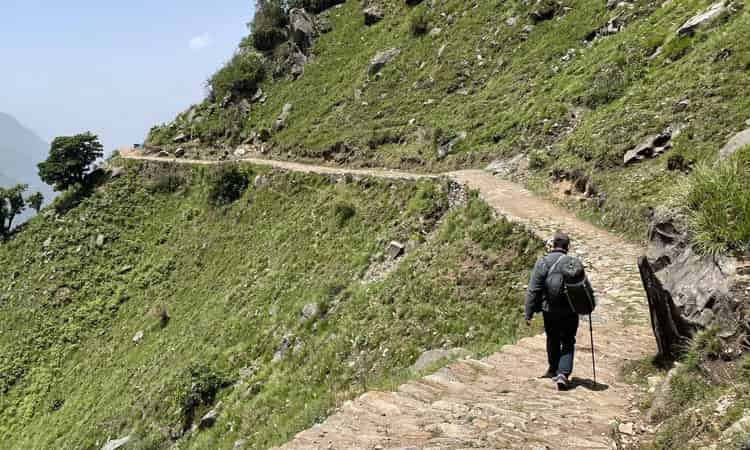
6. Madmaheshwar Trek Route Guide
Here is a day-by-day breakdown of the Madmaheshwar trek route:
Day 1: Ransi to Bantoli (via Gaundhar)
The trek begins at Ransi village. You first walk through thick oak and rhododendron forests to reach Gaundhar (around 4 km), which has a small tea shop and a rest area. From Gaundhar, the trail continues upward to Bantoli (around 5 km), passing along the banks of the Madmaheshwar Ganga. Bantoli offers good camping facilities and basic accommodation.
Day 2: Bantoli to Madmaheshwar Temple
From Bantoli, the trail passes through lush green meadows and the hamlet of Nanu before finally reaching the temple. This stretch offers stunning views of Chaukhamba, Neelkanth, and Kedarnath peaks. The temple complex also has GMVN guest house facilities and a small dharmashala.
Day 3–5: Return Journey
The return journey follows the same route. Trekkers often take a detour to Budha Madmaheshwar, a secondary shrine located about 2 km above the main temple, offering panoramic Himalayan views.
7. Best Time to Visit Madmaheshwar
The Madhyamaheshwar weather varies dramatically with the seasons. Choosing the right time to visit is important:
Summer (May – June)
This is the best time to visit Madmaheshwar. The Madmaheshwar opening dates are usually in late April or early May, and the weather is pleasant with temperatures ranging from 10°C to 20°C. The meadows are in full bloom, and the skies are usually clear, offering spectacular views. This is also the peak season for the Madmaheshwar yatra.
Post-Monsoon (September – October)
After the monsoon rains, the landscape turns lush green and absolutely beautiful. The trails are a bit wet but the views of the Himalayas are crystal clear. This is another excellent window for both pilgrims and trekkers.
Winter (November – April)
The temple closes for winter around November (exact Madmaheshwar closing dates vary each year based on the Hindu calendar). The area gets heavy snowfall and the trek becomes extremely challenging and unsafe. Avoid visiting unless you are an experienced mountaineer.

8. How to Reach Madhyamaheshwar
By Road
From Rishikesh or Haridwar, take a bus or taxi to Ukhimath via Rudraprayag. From Ukhimath, shared jeeps or taxis are available to Ransi village (the trek starting point). The road distance from Rishikesh to Ransi is approximately 215 km. State buses and private cabs run regularly.
By Train
The nearest railway station is Haridwar or Rishikesh. From there, catch a bus or taxi to Ransi village via Rudraprayag and Ukhimath.
By Air
The nearest airport is Jolly Grant Airport in Dehradun, about 230 km from Ransi. From the airport, hire a cab or catch a bus to Rishikesh and then proceed to Ransi.
9. Accommodation Options Near Madmaheshwar
Hotels near Madmaheshwar and Madhyamaheshwar accommodation options are limited, but sufficient for pilgrims and trekkers:
- GMVN Guest House: The Garhwal Mandal Vikas Nigam (GMVN) operates a guest house right at the temple premises. It offers basic but comfortable accommodation. Book in advance during the peak season.
- Tented Camps: Along the Madmaheshwar trek route, private operators and the forest department provide tented camps at Gaundhar, Bantoli, and near the temple.
- Homestays: Ransi and nearby villages offer simple homestays run by local families. These are a great way to experience Garhwali culture and cuisine.
- Dharmashala: A basic dharmashala at the temple provides free or very affordable shelter for pilgrims.

10. Things to Do in Madmaheshwar
- Visit Budha Madmaheshwar: A short hike above the main temple takes you to Budha Madmaheshwar, a lesser-known shrine with incredible Himalayan panoramas. This is one of the best Madmaheshwar viewpoints.
- Watch the Sunrise Over Chaukhamba Peaks: Wake up early for a magical sunrise view over the Chaukhamba massif. The sight is absolutely unforgettable.
- Madhyamaheshwar Wildlife & Nature: The Kedarnath Wildlife Sanctuary around Madmaheshwar is home to musk deer, Himalayan black bears, and a stunning variety of Himalayan birds and alpine flowers.
- Attend Madmaheshwar Darshan: The Madmaheshwar darshan timings are generally from early morning to afternoon. Don’t miss the evening aarti.
- Photography: The landscapes, the temple, the meadows, and the peaks make for outstanding Madhyamaheshwar photos. Bring a good camera.
- Madhyamaheshwar Festival: The temple opening ceremony (in May) and closing ceremony (in November) are celebrated as local festivals with great devotion.
11. Essential Packing List for Madmaheshwar Trek
Clothing
- Warm thermal innerwear (top and bottom)
- Fleece jacket and a waterproof outer layer
- Trekking pants (avoid jeans)
- Woollen socks and gloves
- Hat or beanie and sunglasses
Trekking Gear
- Good-quality trekking shoes with ankle support
- Trekking poles (very helpful on steep descents)
- A 40–50 litre backpack with rain cover
- Sleeping bag rated for -5°C or below
- Headlamp with extra batteries
Medical & Safety Items
- Basic first aid kit
- Altitude sickness tablets (Diamox — consult a doctor)
- Water purification tablets or a filter bottle
- Sunscreen (SPF 50+) and lip balm
- Personal medications if any

12. Travel Tips for Madmaheshwar Yatra
- Fitness Preparation: Even though the Madmaheshwar trek is rated moderate, it is a good idea to start walking or jogging at least 4 to 6 weeks before the trek. Practice climbing stairs to build stamina.
- Registration and Permits: Register at the forest check post at Ransi before beginning the trek. Some seasons require forest permits.
- Acclimatize: If you’re coming from the plains, spend at least one night in Ukhimath or Rishikesh before starting the trek to let your body adjust to the altitude.
- Hiring a Guide or Porter: Local guides and porters are available at Ransi. For first-timers, hiring a guide is highly recommended.
- Water and Food: Carry enough water and energy snacks. Small tea stalls are available at Gaundhar and Bantoli, but options are limited beyond.
- Book in Advance: If you’re booking a Madmaheshwar yatra package or Madhyamaheshwar packages Uttarakhand, book at least a month in advance during the peak season (May–June).
- Madmaheshwar Tour Package from Delhi: Several travel agencies offer a complete madmaheshwar tour package from delhi including transport, meals, accommodation, and guide — ideal for those who don’t want to plan everything themselves.
- Madmaheshwar Trek Package from Delhi: For trekking-focused travellers, a madmaheshwar trek package from delhi typically covers 5 to 7 nights and includes Rishikesh–Ransi transport, camping, guide, and permits.
13. Frequently Asked Questions (FAQs)
Is the Madmaheshwar trek difficult?
The Madmaheshwar trek is rated as moderate. The trails are well-marked and the ascent is gradual. However, the high altitude (3,497 metres) means anyone with respiratory issues or heart problems should consult a doctor before attempting the trek.
How many days are required for Madmaheshwar?
A minimum of 5 days is recommended for a comfortable Madmaheshwar yatra — 1 day to reach Ransi from your starting point, 2 days of trekking to the temple, 1 day at the temple for darshan and exploration, and 1 day for the return trek.
Can beginners attempt the Madmaheshwar trek?
Yes, beginners with a decent level of fitness can attempt the Madmaheshwar trek. It is advisable to be in regular physical exercise for at least 4 to 6 weeks before the trek, carry the right gear, and go at a comfortable pace. Hiring a local guide is strongly recommended for first-timers.
What are the Madmaheshwar opening dates?
The Madmaheshwar opening dates are typically in late April or early May, depending on the Hindu calendar (Akshaya Tritiya). The temple closes around November (Bhai Dooj). Check the official Uttarakhand tourism or Char Dham Yatra website for exact dates each year.
What are the Madmaheshwar darshan timings?
Madmaheshwar darshan timings are generally from 5:00 AM to 12:00 PM and 4:00 PM to 8:00 PM. The evening aarti is a beautiful ritual not to be missed.
Final Thoughts
Madmaheshwar is not just a trek — it is a journey of the soul. Whether you are a devout pilgrim seeking the blessings of Lord Shiva, a nature lover fascinated by alpine meadows and Himalayan wildlife, or an adventure enthusiast chasing mountain views, the Madmaheshwar yatra has something truly special for everyone.
If you’re looking to book a Madmaheshwar trek package from Delhi or a complete Madhyamaheshwar packages Uttarakhand deal, many reputable travel agencies can help you plan a hassle-free trip. Book early, prepare well, and get ready for one of the most spiritual and scenic experiences the Himalayas have to offer.
🙏 Har Har Mahadev 🙏